On July 28, Cuba’s “Current Economic and Political Situation” was the opening session of the annual meeting of the Association for the Study of the Cuban Economy, a U.S. non-political, non-profit organization dedicated to promoting “research, publications, and scholarly discussion on the Cuban economy in its broadest sense, including on the social, economic, legal, and environmental aspects of a transition to a free market economy and a democratic society in Cuba.”[1]
The presenters at this session were (1) Joaquín P. Pujol, International Monetary Fund (retired); (2) Omar Everleny Pérez Villanueva, Cuban Economist, Temas Magazine;[2] and (3) Jorge R. Pińón, Researcher, Center for International Energy and Environmental Policy, University of Texas at Austin.
Economists’ Comments
Joaquín P. Pujol discussed “Cuba: Great Expectations, but How Real Are They?” Cuba is facing problems in servicing its foreign debt, unifying its unwieldy dual currency system, fixing its decrepit infrastructure and promoting sluggish foreign investment. “The Cuban government now finds itself again in need of foreign financing and they’re not going to get it. In fact, it has turned to Miami” as Cuban relatives and friends have become an important source of funding for small start-up businesses in Cuba.
Omar Everleny Pérez Villanueva discussed “Cuba: Economia y Desafios” [Cuba: Economy and Challenges]. Although the government has projected the Cuban economy will grow by 1 percent this year, “I’m not sure it will reach that this year.”
Even though final figures for 2015 haven’t been announced yet, he said Cuba would show a deficit in goods and services trade. And even though tourism is growing briskly, he said taking into account expenditures in the tourism sector, the yield can be disappointing.
Jorge R. Pińón’s subject was “Cuba’s Energy Crisis: Truth or Fiction?” Faced with mounting energy problems, Cuban officials announced strict energy savings measures at state enterprises earlier this month in hopes of avoiding blackouts during the sweltering summer months. Officials have said Cuba will have to cut fuel consumption by 28 percent during the second half of the year.
Cuba produces about 50,000 barrels of crude oil a day and has relied on Venezuela for the other 80,000 to 90,000 daily barrels it needs. But with Venezuela on the ropes economically, continued oil supplies are uncertain. Indeed, over the last six months, he said, total Venezuelan oil production has come dangerously close to dropping below 2 million barrels a day. “In our business that’s catastrophic.”
“As of last week there was enough oil . . . [in Cuba] to keep the lights on,” Piñón said. “June and July deliveries were sufficient.”
Some analysts, looking only at declines in oil arriving in Cuba directly from Venezuela, have predicted an even worse outlook for the island, but Cuba also receives oil from offshore Venezuelan facilities.
Cuba also has been stockpiling oil, and there is an estimated 60-day supply on the island. The question is what happens with Venezuelan deliveries in August and September. “The [economic] hurricane is coming in Venezuela and it’s a Category 5 hurricane. The question is: Will it hit Cuba?”
Already hours have been cut for some state workers, fleets at nonessential enterprises have been parked and some neighborhoods have reported blackouts, drawing comparisons to the 1990s “special period” when after the collapse of the Soviet Union and the end of its generous subsidies, there were severe shortages in Cuba in everything from fuel to food.
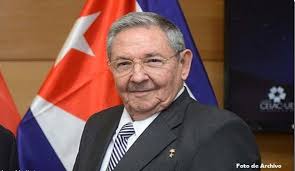
Indeed, Raúl Castro in his recent speech to the National Assembly said, “There is speculation and rumors of an imminent collapse of our economy and a return to the acute phase of the special period.” Raúl Castro said during a recent speech to Cuba’s National Assembly. But he said the island was “in better conditions than we were then to face them.”[3]
The surge in Cuban tourism and the growth of private enterprise also is putting more pressure on Cuba’s energy sector. About 68 percent of oil consumption in Cuba is fuel oil for its inefficient electrical power sector. The government has said it will protect the tourism sector and private businesses from cutbacks.
If Venezuelan oil supplies dry up, it’s unlikely Cuba would be able to find another benefactor like Venezuela in Algeria, Angola, Russia, China or any other country, forcing it to go to the world market to buy about $1 billion worth of petroleum annually.
In recent years, Cuba has actually been receiving more oil from Venezuela than it needs and has been selling the excess on the world market as refined petroleum products. But Piñón suggests it would be cheaper and more efficient for Cuba to shut down its refineries and buy gasoline and jet fuel than buying crude and refining it.
An even gloomier outlook was voiced by Pavel Vidal, a former Cuban central bank employee who is now a professor at Colombia’s Pontificia Universidad Javeriana Cali. He said, “Under current conditions, [Cuban] gross domestic product will dip into negative territory this year and decline 2.9 per cent in 2017. If relations with Venezuela fall apart completely, GDP could decline 10 per cent.”
Another economic negative is anticipated declines in Cuba’s export of medical services (its foreign medical missions), especially to Algeria, Angola and Brazil. In 2014 such medical services earned Cuba about $8 billion or 40% of its total exports.
Karina Marrón, deputy director of Granma, has warned of possible street protests. “A perfect storm is brewing . . . this phenomenon of a cut in fuel, a cut in energy. This country can’t withstand another ’93, another ’94.”Rapid response brigades in the 1990s were formed to quell social unrest; they are now reportedly on alert.
“Just when we thought we were going forward, everything is slipping away again,” says Havana retiree Miriam Calabasa. “I am worried people are going to decide enough is enough: then what?” A mechanic, Ignacio Perez, stated, “Nothing will get better any time soon; it can only get worse. The roads won’t be paved, schools painted, the rubbish picked up, public transportation improved, and on and on.”
But foreign businesses hope these great economic challenges may speed economic opening. “Venezuela’s problems increase the chance of Cuban reforms. This government only acts when it has to,” says one Spanish investor on the island.
[2] As mentioned in a prior post, Omar Everleny Perez was one of the Cuba’s best-known academics, an expert in developing economies and a consultant for Castro’s government when it launched a series of market-oriented economic reforms in 2011. This last April (three weeks after Obama’s visit to Cuba), he was fired by the University of Havana for allegedly having unauthorized conversations with foreign institutions and informing “North American representatives” about the internal procedures of the university. Perez said he believed he was fired because of his critical writings about the slow pace of economic reforms.
[3] President Castro’s recent speech to the National Assembly was discussed in a prior post. His earlier speech to the Congress of the Communist Party of Cuba also touched on Cuba’s economic problems; this speech was covered in another post.
A previous post covered the July 8th speeches to Cuba’s legislature (the National Assembly of People’s Power) by President Raúl Castro and Minister of Economy and Planning, Marino Murillo. However, that post was unable to dissect the English translation of the latter. Now Granma, Cuba’s Communist Party newspaper, has provided the following analysis of Murillo’ speech.[1]
In the last half of 2016, the Cuban government will be implementing measures that are “intended to optimize the country’s finances and emphasize the need for rational use of resources and efficiency, in order to reduce expenses and take advantage of untapped opportunities for savings.”
These measures include “plans to reduce liquid operations, which include adjustments by entities which have hard currency self-financing systems in place. Others involve suspending the assumption of short and medium term credits, as well as a cut, of approximately 28%, in planned energy consumption in the non-residential sector.”
The reductions of these expenses will mean “elimination of income” for some, but “other sectors with untapped opportunities are called upon to make an extra contribution to the economy. Tourism, for example, must generate some 25 million pesos more than initially planned.”
“In terms of energy consumption, fuel cutbacks of some 369,000 tons . . . are needed, while use of electrical energy must be reduced by 786 gigawatts. . . . However, the residential sector, which represents 60% of the country’s electricity consumption, will not be impacted.”
“Economic activities, such as tourism, which make a strategic contribution to the national economy – and consequently the country as a whole – will receive their projected supply of electricity, as will others capable of assuring export income or replacing imports with their products. Nor will the importing and production of food, or retail sales, be affected.”
“Also prioritized is the production of construction materials and indispensable inputs for agriculture, while maintaining attention to the country’s internal financial equilibrium.”
The steps to be taken in the last half of this year “are intended to address limitations with rationality, without changing the basic plan, and respond to the energy situation with precisely focused adjustments.”
There will be “strict adherence to the principle that funds allocated for salaries must be backed by production, in accordance with guiding benchmarks. Avoiding a negative impact on the average salary-productivity ratio is key to advancing along the course charted.”
“Leading the list of imperatives is stopping the importing of containers full of items that can be produced domestically, since reducing imports is crucial to balancing the budget equation.”
Encouragement was found in the increase in the “volume of milk collected by the state wholesale system . . ., implying a reduction in expenses associated with importing powdered milk, initially projected at 53,000 tons. Since dairy farmers have surpassed plans by more than seven million liters and the industry by 32 million, projected imports can be reduced.”
Another premise for these measures is “reducing expenses in hard currency to a minimum, maintaining only the indispensable associated with key economic activities.”
Also important is “avoiding the addition of inflationary pressures. Adequate levels of retail sales will be assured, and the necessity of salary expenses having productive backing is reiterated.”
“Other results thus far this year indicate the need to reprogram levels of freight transportation and, therefore, scheduled investments. It is now projected, however, that 17% of the funds originally planned for investment will not be spent. The 2016 total was estimated at 6.5 billion pesos, placing the transport sector among those with the largest investment plans in the country. Key development projects to a tune of 4.5 billion pesos will be guaranteed. The prioritized group of sectors in which strategic investments will be fully funded includes tourism, energy, the oil industry, and agricultural programs.”
The “average salary in state enterprises will be slightly lower than projected, with a reduction in the wage expenses-gross value added index.”
“In reference to the food supply, . . . planned imports of foodstuffs are assured. Fortunately, a decline in prices on the international market for some [food] products has given the state some relief in terms of funds allocated for food imports, allowing for savings of approximately 193 million U.S. dollars. Nevertheless, domestic shortfalls in projected production of food items have led to unplanned imports, costing some 50 million additional dollars.”
Recent steps have been “taken to increase the buying power of the Cuban peso, adding that efforts to stabilize their supply in retail outlets continue, to make the impact of price reductions sustainable over time. Lower prices for chicken, rice, cooking oil, powdered milk, and chickpeas have led to [recent] increased sales.”
“Throughout the report, a renewed call for increased productivity and efficiency, on the part of all, was made clear. Using resources rationally at all times, in all places, is now imperative.”
[1] Delgado, Morales & Rodriguez, Efficiency on the economic agenda, Granma (July 14, 2016). On July 13, only five days after this speech, Murillo was replaced as Minister of Economy and Planning by Ricardo Cabrisas Ruiz, Vice President of Council of Ministers. According to the State Council, Murillo, in his capacity as Deputy Prime Minister and Head of the Permanent Commission for Implementation and Development, will now focus on updating the Cuban economic and social model, adopted by the 6th and the 7th Party congresses. However, no reasons were provided for this change. Official Note, Granma (July 13, 2016), ; Assoc. Press, Cuba Shuffles Economic Leadership Amid Fiscal Struggles, N.Y. Times (July 13, 2016).
Grim news over Cuba’s economy was delivered in July 8 speeches to the country’s legislature (the National Assembly of People’s Power) by Cuba’s President, Raúl Castro, and by Cuba’s Minister of Economy and Planning, Marino Murillo. Naturally the Cuban people are worried. Here is a summary of those developments.
“In December 2015 I [projected that we would experience] financial constraints as a result of declining export revenue . . . [due to] falling prices for our traditional items as well as damages [to our] relations of mutually beneficial cooperation with various countries, particularly with Venezuela, which is being subjected to an economic war to weaken popular support for its revolution.”
“In the first half [of 2016] GDP grew by only one percent, half of what we had projected. This is the result of worsening external financial restrictions, driven by the decline of export earnings, coupled with the constraints faced by some of our major trading partners, due to falling oil prices.”
“There also has been a contraction in fuel supplies that had been promised by Venezuela, despite the firm will of President Nicolas Maduro and his government to fulfill that commitment. Obviously this has caused additional stress on the functioning of the Cuban economy.”
“Nevertheless, Cuba has managed to maintain compliance with the commitments made in the process of restructuring of debts to our foreign creditors. However, I must admit that there have been some delays in current payments to suppliers and I thank our partners for their confidence and understanding of this situation and reaffirm the commitment of the Government to meet the outstanding maturities and to continue restoring the international credibility of the Cuban economy.”
“Nor can we ignore the harmful effects of the US blockade and the US ban on Cuba’s use of the US dollar in its international transactions.”
“In these adverse circumstances the Council of Ministers adopted a set of measures to address the situation and ensure the main activities that ensure the vitality of the economy, minimizing the effects on the population.”
“As expected, in order to sow discouragement and uncertainty among citizens, there have been speculations and predictions of an imminent collapse of our economy with the return to the acute phase of the special period. These dire warnings have been overcome thanks to the resilience of the Cuban people and their unlimited confidence in Fidel and the Party. We do not deny damages that may occur, even higher than at present, but we are prepared and better able then to reverse them.”
“Faced with these difficulties and threats, there is no room for improvisations and much less for defeatism. In the short-term, we face the situation with great energy, fairness, rationality and political sensitivity; and we continue to strengthen coordination between the Party and the Government with much optimism and confidence in the present and the future of the Revolution.”
“We must reduce expenses of all kinds that are not essential, to foster a culture of saving and efficient use of available resources, concentrating investment in activities that generate revenue from exports, substitute imports and support strengthening of infrastructure, ensuring sustainability of electricity generation and better use of energy carriers. These programs will ensure the development of the nation, in short, non-stop.”
“At the same time, the social services that the revolution has obtained for our people and measures to gradually improve their quality are preserved. In the midst of these difficulties were made several measures aimed at increasing the purchasing power of the Cuban peso, including the decrease in prices of a set of products and articles of broad demand for our population.”
“Similarly, despite the prolonged drought plaguing us, we begin to see the fruits of other actions to ensure better collection and distribution of agricultural products, confirming greater presence of these markets and a slight but progressive reduction of selling prices. These measures have been welcomed by the population as relief to Cuban families.”
“In addition, these measures have guaranteed the internal financial balance through appropriate levels of supply in the retail market, while progress is being made in the implementation of pay systems linked to productive results, all of which has enabled us to avoid inflationary pressures.”
“This morning the National Assembly of People’s Power agreed to support in its spirit and letter the update of the Guidelines for Economic Policy and Social Party and the Revolution for the period 2016-2021 that were adopted by the Seventh Congress of the Communist Party of Cuba. This will entail the legislative development and adoption of legal standards required to continue improving the legal and institutional basis in the interests of economic changes in the country.”
“We reaffirm that we will continue updating our economic model at our sovereignly determined pace, forging consensus and unity of Cubans in the construction of socialism.”
“The rate of change will continue to be conditioned by our ability to do things right, which has not always been so. This requires ensuring the preparation of policy documents, training and mastery of content, conducting monitoring and implementation and timely rectification to any deviations.”
“As clear evidence of our strength and experience, we have had favorable results in implementing the plan of prevention and confrontation of mosquito-borne diseases.
“The complex circumstances of the national economy will not weaken in the least, the solidarity and commitment of Cuba to the Bolivarian Revolution and Chavista with President Maduro and his government and the Civic Union Military brother Venezuelan people. We will continue lending to Venezuela, to the best of our ability, collaboration agreed to help sustain the achievements in social services that benefit the population. True friends are known in difficult times and Cubans will never forget the support of Venezuelans when we faced serious difficulties.”
“In commemorating the Day of National Rebellion [on July 29] we will do so with the conviction that the Cuban revolutionary people will again face difficulties without the slightest hint of defeatism and full confidence in the Revolution.”
In his July 8 speech to the Cuban legislature, Marino Murillo, a member of the Politburo, Vice President of the Council of Ministers and Minister of Economy and Planning, essentially repeated the main points of President Castro’s report.
The 1% increase in Cuban GDP for the first half of 2016 stands in contrast to the 4.7% increase for the first half of 2015. According to Reuters, Venezuelan shipments of crude oil and refined products to the island nation decreased around 20% for this period.
As a result of these economic problems and challenges, Cuba is concentrating on reducing expenses, promoting conservation and efficient use of available resources; concentrating investments on activities that generate exports and replace imports; strengthening infrastructure; assuring the sustainability of electrical generation; and facilitating better use of energy resources. The plan is to reduce total electricity consumption by 6% while not cutting residential use and key revenue-generating sectors such as tourism and nickel production.
More than 450,000 U.S. citizens or residents were among the 3.5 million tourists to visit the island last year, when the total number of visitors rose 17% from 2014, and the number of U.S. visitors for the first half of 2016 was up 26% to 304,000 out of a total of 2.1 million visitors to the island. Those numbers are likely to rise further when commercial flights from the U.S. begin later this year.[1]
Cuba’s future exemption from electricity restrictions for privately-owned businesses that cater to tourists could be seen as a Faustian bargain. Cuba desperately needs the hard currencies that tourists bring and spend on the island. On the other hand, the increasing numbers of U.S. visitors are tending to spend their money on Cuban bed-and-breakfasts, taxis, meals in privately-owned restaurants and other services that will increase demands for electricity and nurture Cuba’s nascent urban middle class and increase pressures for political and economic change.
Signs of these changes already can be seen. Public offices and state-run companies have cut work hours and are limiting the use of air-conditioning. Cinemas have cut the number of film screenings, and petrol stations are running out of fuel more frequently than in the past few years.
According to a New York Times journalist, many Cubans now fear “a return to the days when they used oil lamps to light their living rooms and walked or bicycled miles to work because there was no gasoline.” Regina Coyula, a blogger who worked for several years for Cuban state security, voiced one aspect of that fear: “We all know that it’s Venezuelan oil that keeps the lights on. People are convinced that if Maduro [the President of Venezuela] falls, there will be blackouts here.”
The recent Congress of the Communist Party of Cuba displayed the difficulties Cuban leaders are having in developing a mixed economy with private enterprise (the non-state sector) competing against the dominant state business enterprises. As prior posts have reported, Cuban leaders at the Congress admitted that the state-owned entities were having difficulty in such competition and the non-state sector was increasing its share of the Cuban economy while the leaders simultaneously railed against President Obama’s effective advocacy of free enterprise to the Cuban people.[1]
Now we see two other signs of the Cuban regime’s near panic over this situation.
Firing of Professor Omar Everleny Perez
First, it is now being revealed that on April 8 (three weeks after Obama’s visit to Cuba), the University of Havana fired Professor Omar Everleny Perez, one of the country’s best-known academics, an expert in developing economies who served as a consultant for Castro’s government when it launched a series of market-oriented economic reforms in 2011. He has made many well-known trips to universities and conferences in the U.S. and frequently received foreign visitors researching the Cuban economy, but was fired for allegedly having unauthorized conversations with foreign institutions and informing “North American representatives” about the internal procedures of the university.[2]
Perez said he believed Cuban authorities were seeking to make an example of him not because of the allegations in the letter, but because of his critical writings about the slow pace of economic reforms. Armando Chaguaceda, a Cuban political scientist based at the University of Guanajuato in Mexico, shared that view. He said, “His call to speed up the reforms and make them coherent may have served to frighten some of the forces of immobility in the bureaucracy. It’s a terrible message to economists that will affect the government’s own capacity to hear feedback about its reforms.”
Perez is not the only Cuban academic to be sanctioned by the authorities in recent years. Political scientist Esteban Morales was expelled from the Communist Party in 2010 for two years for denouncing corruption. Sociologist Roberto Zurbano lost his job at a state cultural center after discussing racism in Cuba in an editorial published in the New York Times. In 2013, musician Roberto Carcasses was temporarily barred from cultural institutions after criticizing the government during a concert, and director Juan Carlos Cremata was prevented last year from putting on a production of Eugene Ionesco’s “Exit the King,” a play about a once-powerful dying leader.
Cubans Fleeing the Country
The second sign of Cuban leaders’ distress is the increasing number of Cubans leaving the island.
As discussed in other posts, many Cubans have been leaving Cuba and seeking to get through the U.S. through Central America. Inspired in part by a fear that the U.S. would be eliminating its special immigration benefits for Cubans, their departures also show fear that their dire economic situation in Cuba would not significantly improve in the near future.[3]
The arrival of Cubans by land with “dry feet” in the U.S. is documented in a report by the U.S. Customs and Border Protection. Since October 2014 it has processed nearly 75,000 Cubans who arrived at ports of entry, many of them in Laredo, Texas.
The phenomenon of Cubans leaving the island is seen too by Cubans trying to make the dangerous sea crossing to Florida. U.S. Homeland Security Department documents show the highest number of such attempted crossings in the past eight years.[4]
During the 2015 fiscal year ending September 30, 2015, more than 4,400 Cubans set out for the U.S. by sea, a 20 percent increase over the previous fiscal year, according to Coast Guard figures. Of these the U.S. Coast Guard interdicted 2,927, which was up 42.2% over fiscal 2014 and 115.7% over fiscal 2013. Between October 2015 and this March, more than 4,300 people have tried to make the dangerous trip.
The U.S. Coast Guard has had to step up its presence in the Florida Straits to deal with more people on overcrowded, makeshift rafts or barely seaworthy boats. Would-be immigrants caught at sea are returned to Cuba, so the rush has made people more desperate, with some actually wounding themselves with knives or guns in the hopes they will be taken to a hospital in the U.S. instead of sent back. Others try to flee rescuers and refuse life jackets.
Conclusion
These developments show this outside observer from the U.S. that Cuba needs to step up the pace of economic reform and that the U.S. needs to end its embargo as soon as possible.
The major event of the first day (April 16) of the four-day Seventh Congress of the Communist Party of Cuba was the two-hour, live televised address by Raúl Castro, the First Secretary of its Central Committee (and also President and General of the Army).[1]
A word of caution is necessary for my interpretation of what Castro had to say through an English translation and through his way of speaking about and around an issue. I especially invite corrections and amplifications.
The Congress’ Agenda
The Congress, Castro said, would consider theses principal draft documents: (1) a summary of the performance of the national economy over the five-year period from 2011-2015, including a report on the results of the implementation of the economic and social policy guidelines of the Party and Revolution and updating of the guidelines for the period 2016-2021; (2) the fundamental elements of the national economic and social development plan through 2030, the nation’s vision, priorities and strategic sectors; (3) the conceptualization of Cuba’s socialist socio-economic model of development; and (4) progress towards meeting the objectives agreed upon by the First Party Conference and directives of the Party Central Committee’s First Secretary.
These documents, he insisted, must not be considered finished works, or an ideological prism, but will be enriched during the Commission’s debates, and subsequently submitted to periodic review, maintaining a dynamic vision of their content.
On this occasion, he clarified, a major process of public debate and consultation on these documents was not held, because they are considered a continuation of the lines agreed upon five years ago, to update the country’s socio-economic model
Additionally, he said, these documents reflect the collective work of many different professionals, and were analyzed during two Central Committee Plenums, a process which led to the submission of 900 opinions and suggestions, included in the latest version.
Raúl noted that this is the first time a Party Congress has considered the conceptualization of the country’s socio-economic model, one which outlines the essential foundations of the society to which Cubans aspire, to be reached via the process of updating underway.
The conceptualization and the basis of the National Economic and Social Development Plan through 2030, following their analysis during the Congress, will not be approved at this event, but rather will go on to be debated by Party and Young Communist League members, representatives of mass organizations and different sectors of society, with the aim of enriching and perfecting said plan, Raúl noted.
Status of the Guidelines Established by Sixth Congress
Raúl noted that when the economic Guidelines were adopted five years ago at the prior Party Congress, it was made clear that “the process of implementation will not be an easy path, free of obstacles and contradictions,” and that the fundamental transformations in the updating of the economic model would take over five years to implement.
Efforts to implement the Guidelines have been systematic, he stated, although only 21% of the 313 approved guidelines had been implemented, while 77% are in that process and 2% have yet to be initiated. However, he admitted, the slow implementation of legal regulations and their assimilation have delayed approval of approved policies.
“The main obstacle we have faced, just as we had predicted, is the issue of out-dated mentalities, which give rise to an attitude of inertia or lack of confidence in the future. There also remain, as was to be expected, feelings of nostalgia for the less difficult times in the revolutionary process, when the Soviet Union and socialist camp existed. At the other extreme there have existed veiled ambitions to restore capitalism as a solution to our problems.” (Emphasis added.)
“When evaluating the pace of transformations underway, we must not lose sight of the fact that in Cuba, we will never allow so-called ‘shock-therapies’ to be applied, frequently used to the detriment of the poorest sectors of society. This premise, which corresponds to our principle that no one will be abandoned to their fate, greatly affects the speed of progress made in the process of updating the country’s economic model, while the impact of the global financial crisis and specifically the effects of the economic blockade against Cuba, are also undeniable.” (Emphasis added.)
“Neoliberal policies which encourage the accelerated privatization of state property and social services, such as health, education and social security, will never be applied under Cuba’s socialist model. Even with its current economic limitations, Cuba has preserved and perfected social services for the population in the spheres of Education, Health, Culture, Sports and Social Security. However, we must continue to stress the importance of progressively improving the quality of these services.” (Emphasis added.)
“Decisions made with regard to the Cuban economy will never, under any circumstance, mean a break with the ideals of equality and social justice of the Revolution and much less rupture the strong union between the majority of the people and the Party. Neither will we allow such measures to generate instability or uncertainty within the population.” (Emphasis added.)
Cuba’s Economic Performance
“Amid an unfavorable international environment, characterized by the global economic crisis that began at the end of the last decade, in the five-year period between 2011-2015 the gross domestic product of our country grew at an average annual rate of 2.8%.” But this was “not enough to ensure the creation of the productive and infrastructure conditions required to advance development and improve the population’s consumption.” (Emphasis added.)
Indeed, “wages and pensions are still unable to satisfy the basic needs of Cuban families. Although the average wage increased by 43% in the period 2010-2015, this was concentrated in the last two years, a result of decisions benefiting Public Health workers, foreign investment, the sports sector and through the decentralization of state enterprise sector payment systems. However, it has not been possible to extend wage increases outlined in the approved policy to the majority of budgeted activities.”(Emphasis added.)
Although “a set of measures are being introduced designed to remove obstacles that discouraged the different productive forms of our agriculture, . . . these have not yet matured, and the growth rate of agricultural production is still insufficient. . . . [As a result,] on average, each year the country must spend approximately two billion dollars on food imports, half of which we could produce in Cuba and even export the surplus.” (Emphasis added.)
There has been an “increase in prices for agricultural products.” The “fundamental factor in the rising prices resides in insufficient production levels unable to satisfy demand.” Rising prices, however, have resulted in “the resurgence of a trend of speculation and hoarding, benefiting the few and negatively impacting the majority of the population.” The Party and the government “cannot remain unresponsive to citizen’s frustration at the unscrupulous manipulation of prices by intermediaries whose sole consideration is to make more money.” (Emphasis added.)
As a result, “despite the reduction or elimination of certain subsidized basic family goods, that is, from the famous ration book, which are now available in the unregulated market at non-subsidized prices, a high number of basic products and services continue to be subsidized.” (Emphasis added.)
“The export of medical services and tourism continue to expand, contributing more than half of the hard currency earnings of the country, while the influence of [Cuba’s] traditional exports [nickel], hit by falling prices, was reduced.”
“The undeniable international prestige of Cuban medicine . . . holds huge potential which is still not exploited in all its dimensions, for example the provision of medical services to foreign patients in Cuba, for which investments are being made which will also ultimately benefit the Cuban population, which accesses public health care free of charge.” (Emphasis added.)
“In the national Public Health system, a series of measures designed to reorganize, rationalize and regionalize services is being carried out, with the aim of improving the health of the population, the quality of patient care and satisfaction, and the efficiency and sustainability of the sector, while also ensuring its continued development. The perfecting of management structures and adjustments to staff rosters led to a reduction of 152,000 [physician] positions and over 20,000 doctors reallocated. These decisions, in addition to others geared toward ensuring a more rational use of resources, saw the Health budget decrease by more than two billion pesos.” (Emphasis added.)
“In regards to tourism, [since 2011], more than 10,900 new rooms were put into operation and a further 7,000 were renovated, complemented by an increase of over 14,000 rooms rented in CUC by self-employed workers, and the deployment of additional hotel facilities and services, which have facilitated the continued upward trend in this important branch of the economy, which has great potential to promote the development of other sectors and generate production linkages.”
Future Issues for the Cuban Economy
Demographic changes
“Cuba’s increasingly aging population and high number of people migrating from the countryside to the cities, due to a series of socio-economic and cultural factors which are difficult to reverse, represent a strategic problem to the nation’s development. A policy to combat this situation was created, which included 76 measures and 252 actions, to be implemented gradually and in accordance with the performance of the economy with results seen over the long-term.” (Emphasis added.)
Eliminating the duel currency system
Eliminating Cuba’s dual currency system–the Cuban Convertible Peso (CUC) and the Cuban Peso (CUP)–will continue to be difficult but necessary for “updating of the Cuban economic model.” Such a change “will contribute to establishing the necessary conditions to overcome the damaging effects of egalitarianism and fulfilling the socialist principle: ‘From each according to his ability, to each according to his work.’” (Emphasis added.)
Such a change will allow correction of the so-called “inverted pyramid” situation where lower-skilled workers like hotel bus boys and gas pump operators earn more through tips In hard currencies and illegal sales of gasoline than higher-skilled workers like physicians. This lamentable situation “does not allow work to be compensated in a fair manner, in accordance with its quantity, quality and complexity, or living standards to reflect citizens’ legal income.” This situation also generates “an unmotivated workforce and cadres, which also discourages employees from seeking out positions of greater responsibility.” (Emphasis added.)
Maintaining state ownership of the means of production
“We reaffirm the socialist principle of the predominance of the ownership of all the people over the basic means of production, as well as the need to relieve the State of other activities not decisive to the development of the nation.” Yet “state employment was reduced from 81.2% in 2010 to 70.8% in 2015.” (Emphasis added.)
“In socialist and sovereign Cuba, the ownership of the basic means of production by all the people is and will continue to be the main form of the national economy and the socio-economic system and therefore constitutes the basis of the actual power of workers.” (Emphasis added.)
“In an effort to strengthen the role of the socialist state enterprise and its autonomy, we have advanced in the separation of state roles from those of enterprises, gradually modifying relations between government bodies and enterprises, with directors afforded greater faculties in order to successfully carry out their responsibilities.”
“The state enterprise system, which constitutes the main management mode in the national economy, finds itself in at a disadvantage when compared to the growing non-state sector which benefits from working in monetary system with an exchange rate of one CUC to 25 CUP, while the state system operates on a basis of one CUC to one CUP. This serious distortion must be resolved as soon as possible and a single currency reestablished.” (Emphasis added.)
“This anomaly in addition to the modest performance of our national economy, has prevented us from making substantial progress in the implementation of guidelines linked to the gradual elimination of unnecessary gratuities and excessive subsidies, bearing in mind that a general salary increase for all workers has still not been achieved, nor has the stable supply of certain goods in the unregulated market.” (Emphasis added.)
Encouraging private ownership of property
“One of the novel aspects that has attracted the most attention and even some controversy, is the question of property relations, and logically so, as depending on the predominance of one form of ownership over another, a country’s social system is determined.”
The recognition of the existence of private property has generated more than a few honest concerns from participants in the discussions prior to the Congress, who expressed concerns that on doing so we would be taking the first steps towards the restoration of capitalism in Cuba. In my role as First Secretary of the Central Committee of the Party, I have the duty to assert that this is not, in the least, the purpose of this conceptual idea.”
“This is precisely about . . . calling things by their name and not hiding behind illogical euphemisms to mask reality. The increase in self-employment and the authorization to contract a workforce has led in practice to the existence of medium, small and micro private enterprises, which today operate without proper legal status and are regulated under the law by a regulatory framework designed for individuals engaged in small business conducted by the worker and his/her family.
“Guideline No.3 approved by the 6th Congress and which we intend to maintain and strengthen in the updated draft categorically specifies that ‘In the forms of non-state management, the concentration of property shall not be allowed’ and it is added ‘nor of wealth;’ therefore, the private company will operate within well-defined limits and will constitute a complementary element in the economic framework of the country, all of which should be regulated by law.” (Emphasis added.)
“We are not naive nor do we ignore the aspirations of powerful external forces [i.e., U.S.] that are committed to what they call the ‘empowerment’ of non-state forms of management, in order to create agents of change in the hope of putting an end to the Revolution and socialism in Cuba by other means.” (Emphasis added.)
“Cooperatives, self-employment and medium, small and micro private enterprise are not in their essence anti-socialist or counter-revolutionary and the enormous majority of those who work in them are revolutionaries and patriots who defend the principles and benefit from the achievements of the Revolution.” (Emphasis added.)
Encouraging private enterprise
Non-state employment increased from 18.8% in 2010 to 29.2% in 2015. “Just over half a million Cubans [now] are registered as self-employed; they provide services and generate much-needed production. An atmosphere that does not discriminate against or stigmatize duly authorized self-employment is being defined; however there have been cases of corruption and illegalities, the confrontation of which has proved, once again, to be too little too late, as is the example of evasive behaviors in terms of tax payments and illegal exercise of prohibited activities.” (Emphasis added.)
“Just as we aspire to greater efficiency and quality in state sector production and services, we also favor the success of non-state forms of management, on the basis, in all cases, of strict compliance with current legislation.” (Emphasis added.)
“The creation and operation of non-agricultural cooperatives continues in an experimental phase, mainly in trade, gastronomy, technical services, mini-industry and construction.” (Emphasis added.)
“Within this activity, some achievements have also been made, but deficiencies have likewise been revealed, which stem from insufficient preparation and dissemination of the approved policy and regulations issued . . .– inadequate organization and accounting control, price increases and limited access to supplies and services in the wholesale market.”
“At the same time, the management and control of this experiment by the corresponding bodies has been unsuitable, which is why we decided to focus efforts on consolidating already created cooperatives and to advance gradually.”
Recognizing the role of the market
“Recognizing the market in the functioning of the our socialist economy does not mean that the Party, government and mass organizations are no longer fulfilling their role in society – which is to combat any situation which may harm the population, nor must we adopt the attitude that ‘t’s a government matter, so I can’t get involved.’ We must remember that I, the party, I, the government, at any level, I, a member of a mass organization am involved in solving any problem that might affect our people.” (Emphasis added.)
“The introduction of the rules of supply and demand is not at odds with the principle of planning. Both concepts can coexist and complement each other for the benefit of the country, as has been successfully shown by China’s reform process and the renovation process in Vietnam, as they call it. We have used the term updating to describe our process as we are not changing the fundamental objectives of the Revolution.” (Emphasis added.)
“Positive aspects of this process are the experiences seen in several provinces with the recent adoption of a series of organizational measures, among them, an increase in stockpiling in order to guarantee products in state markets, prompting a reduction in supply and demand chain prices: a matter which requires constant monitoring by all institutions involved..”
Encouraging foreign investment
“The Foreign Investment Policy was approved, recognized as important and necessary to the development of the country, and a new law put into effect, which while offering incentives and legal protection to investors, also preserves national sovereignty, ensures the protection of the environment and rational use of natural resources.” (Emphasis added.)
“The Mariel Special Development Zone was built and offers additional incentives to attract national and foreign investors. The Zone also benefits from a legal framework and the necessary infrastructure to establish and expand production with the aim of generating exports and substituting imports; promoting exchanges of technology and management systems about which the country knows practically nothing; creating jobs and long-term sources of financing; and developing logistics to facilitate high levels of efficiency.” [2] (Emphasis added.)
“Without underestimating in the slightest the obstacles presented by the U.S. blockade and its extraterritorial application, we must do away with archaic prejudices toward foreign investment and continue to advance with the formulation, design, and establishment of businesses.” (Emphasis added.)
The destination of investments has changed substantially. “Five years ago the production and infrastructure sectors received 45% of investments, [whereas in 2015, it was] 70%. Furthermore, greater rigor and control in ensuring that investment plans are successfully carried out has also been seen, with an overall improvement seen in relevant indicators. However, issues still remain with regard to quality assurance and availability of a suitably qualified and motivated work force, while poor planning and a lack of comprehensiveness persist, the result of inadequate training, which leads to deadlines not being met and problems with the quality of work.” (Emphasis added
Limiting foreign indebtedness
“A series of measures aimed at the reorganization of the external finances of the country and in particular the restructuring of debt were implemented, an area in which significant results have been achieved which, together with the fulfillment of financial commitments made, contributes to restoring the international credibility of the Cuban economy and favors greater possibilities for trade, investment and financing for development.”
“We cannot pull back in this sphere and with this aim we must ensure a proper balance in the taking of loans and their structure, the payment of restructured debts, the current debt, and compliance with the plan. We must never again fall into debt.” Emphasis added.)
Issues for the Communist Party of Cuba
“In Cuba we have a single Party, of which we are proud, which represents and guarantees the unity of the Cuban nation, the main strategic arm on which we have relied to build the work of the Revolution and defend it from all kinds of threats and aggression. It is therefore no coincidence that we are attacked and demands made of us, from almost all over the planet, to weaken us, to divide us into several parties in the name of sacrosanct bourgeois democracy. These are concepts that should not give rise to confusion, not today, not ever. If they manage some day to fragment us, it would be the beginning of the end, never forget that! If they manage some day to fragment us, it would be the beginning of the end in our homeland, of the Revolution, socialism and national independence, forged with the resistance and sacrifice of several generations of Cubans since 1868.” (Emphasis added.)
The Party now has 670,000 members, which has declined, “impacted by the negative demographic trends affecting the country, a restrictive growth policy maintained since 2004, and shortcomings in efforts to train, retain, and motivate potential members. It is also true however, that this trend has decelerated over recent years.” (Emphasis added.)
“The existence of a single party presupposes stimulating the broadest and frankest exchange of views, both within the party organization and in its link to the grassroots with the workers and the population. The Party is obliged to permanently strengthen and perfect our democracy, for which it is essential to definitively overcome false unanimity, formalism and simulation. The Party has the duty to promote and guarantee the increasing participation of citizens in fundamental decisions of society. We have no fear of different opinions or disagreement, as only frank and honest discussion of differences between revolutionaries will lead to the best decisions. (Emphasis added.)
We know that the Party and the Revolution have the majority support of the people, this is a fact that nobody can deny, however, we are aware that in certain sectors of the population there are manifestations of a lack of commitment and interest in the affairs of our political life, and negative opinions remain regarding the merit of some members and cadres, as well as their disengagement from our people.” (Emphasis added.)
“In the most recent period we have seen an increase in actions aimed at fostering the values of a consumer society; division, apathy, discouragement, alienation, and a lack of confidence in the leadership of the Revolution and the Party, sowing a matrix of opinions that attempts to present us as a society without a future. (Emphasis added.)
“In these circumstances, it is necessary to strengthen intelligent, solid and systematic preventive work and raise the demands and supervision by the bodies responsible for confronting political and ideological subversion, and increase the combativity of members, vigilance in work places and ideological work with younger generations, strengthening the irreplaceable role of the family and school. I repeat: Strengthening the irreplaceable role of the family and school!”
“In the Central Report to the 6th Congress[ in 2011] I referred to the need to gradually undertake, without precipitation or improvisations, the creation of a properly prepared reserve of cadres, with sufficient experience and maturity to take on the new and complex tasks of leadership in the Party, the state and the government. I also expressed the benefit and need to limit the exercise of fundamental political and state positions to a maximum of two consecutive five-year terms, which will be determined by the Central Committee in the case of the Party and mass organizations, and our Parliament as regards the State and government. (Emphasis added.)
“I believe that this matter of strategic importance has also advanced, although the next five years, for obvious reasons, will be decisive and we must introduce additional limits on the composition of the higher bodies of the Party, that is to say, the Central Committee, the Secretariat and the Political Bureau, a transitional process that should be implemented and conclude with the celebration of the next Congress. This is a five-year period of transition to avoid doing things in haste. It is not about getting rid of one person to replace them with another who is 10 years younger and so on. We are behind, and what we want to do, precisely, is to ensure that this flows naturally, and it must be well stipulated in the laws or regulations to be established.”
We propose establishing 60 as the maximum age to join the Central Committee. (Emphasis added.)
The inclusion of younger alternate members on the Central Committee could also be established at another time. The idea is to have a method, a route, a proposal to ensure that we are never surprised by things,that they evolve naturally. In this case, in the future, new members must be less than 60 years of age. No one should think that if you can’t be at a certain leadership level of the country, you can’t do anything, but the experience of some countries has shown us that this is never positive, and even though it is a well-known secret, never forget, that during the final stage of the Soviet Union, over a short period of time, three First Secretaries of the Party died.” (Emphasis added.)
That is why we propose establishing 60 as the maximum age to join the Central Committee, and 70 to assume a leadership position in the Party, which in addition to the limit of two consecutive terms in political positions will guaranteethe systematic rejuvenation of the entire system of Party cadre, from the grassroots. And I repeat that subsequently this will need to be regulated precisely, because there will be those who at 75 or 80 years of age can undertake an important task, but not an important leadership activity, for obvious reasons, and because of the very experience with which we are speaking to you.” (Emphasis added.)
‘If this proposal is approved by the Congress, appropriate modifications will be made to the Party Statutes. We believe that this same policy must be implemented in state and government institutions, and in mass organizations.”
“In my case, it is no secret that my second term as President of the Councils of State and Ministers will conclude in 2018, and I will relinquish these responsibilities to whoever is elected.” Emphasis added.)
“These modifications in the area of positions and age limits on the assumption of leadership roles must be established in the Constitution of the Republic, which we propose reforming in the next few years, taking into account the important transformations associated with the updating of our economic and social model, and its conceptualization. Everything we have been doing must be reflected in the Constitution, at the moment that modifications which must be included are ready, and above all, when they have been discussed by the population.”
“The current Constitution, approved by popular referendum in 1976, 40 years ago, and partially reformed in 1992 and 2002, reflects historical circumstances, and social and economic conditions, which have changed with the passing of time, and the current implementation of the Economic and Social Policy Guidelines of the Party and the Revolution.”
“The process of reform, which must be previously approved by the National Assembly, in accordance with its constituent powers, implies broad popular participation, including the holding of a constitutional referendum.”
“This will be an opportunity to codify in our Magna Carta other issues which require a constitutional foundation.”
“I must emphasize that within the scope of these constitutional changes, we will propose reaffirming the irrevocable nature of the political and social system established in the current Constitution, which includes the leadership role of the Communist Party of Cuba in our society, which is Article 5 in the current Constitution.” (Emphasis added.)
Issues for Workers’ Central Union of Cuba (CTC)
“In any Western press agency where you might read something that refers to [the CTC] . . . they add in parentheses: ‘the only one,” as if that were a crime. They want to shape the world – you already know who I mean: the [U.S.] and all those accompanying them – to adjust the world to their advantage, that is what they want to do, and that’s why today we must be more alert than ever. They themselves have said: 50 years of blockade did not work and we could not isolate Cuba, on the contrary, we were running the risk of isolating ourselves in Latin America. We [the U.S.] must change that. And how [is the U.S.] . . . going to change this? With other methods, more difficult to combat. Hence the importance of these issues which must be sufficiently clear in our minds and in our people. (Emphasis added.)
“These are concepts that should not give rise to confusion, not today, not ever. If they manage some day to fragment us, it would be the beginning of the end in our homeland, of the Revolution, socialism and national independence, forged with the resistance and sacrifice of several generations of Cubans since 1868.”
Ideological Challenges
The influence on our reality of the complexities of the world in which we live, the [U.S.] policy of hostility and harassment, the actions aimed at introducing platforms for neoliberal thought and the restoration of capitalism supported by a perverse strategy of political-ideological subversion, which undermine the very essence of the Revolution and Cuban culture, history and the values forged within it, the undeniable existence of accumulated problems in society, to which are added the process of the implementation of the Guidelines itself and the profound changes in which we are immersed, as well as the new scenario of relations between Cuba and the [U.S.], are facts that present greater challenges to ideological efforts. These programs target sectors that the enemy identifies as the most vulnerable and include young people, intellectuals, workers associated with non-state forms of management, and communities with greater material and financial difficulties. (Emphasis added.)
At the same time as we safeguard the historical memory of the nation and perfect differentiated ideological work, with special emphasis on youth and children, we must reinforce anti-capitalist and anti-imperialist culture among ourselves, fighting with arguments, conviction and resolve the attempts at establishing patterns of petty bourgeois ideology characterized by individualism, selfishness, the pursuit of profit, banality, and the intensifying of consumerism. (Emphasis added.)
The best antidote to political subversion is working with integrity and without improvisation, doing things well, improving the quality of services to the population, not allowing problems to accumulate, enhancing knowledge of the history of Cuba, national identity and culture, exalting the pride of being Cuban and fostering an atmosphere of legality, defense of public property, respect for the dignity of people, values and social discipline across the country. (Emphasis added.)
Conclusion
It was not easy to unpack Raúl Castro’s lengthy address, which came without any captioned divisions and subdivisions and which, in my judgment, did not have a precise logical structure. The above is my attempt to add such captions, highlighting and structure to better understand what he was saying.
Obviously Cuba is struggling with how to integrate free enterprise and free markets into its state-run economy. It is finding that is not an easy endeavor.
However, I am reminded that as a senior college student in 1960-61 I read a book on that very subject by a Polish economist, Oskar Lange, The Economic Theory of Socialism, in which heput Marxian and neoclassical economics together. He advocated the use of market tools (especially the neoclassical pricing theory) in economic planning of socialism and Marxism. He proposed that central planning boards set prices through “trial and error”, making adjustments as shortages and surpluses occurred rather than relying on a free price mechanism. Under this system, central planners “would arbitrarily pick a price for products manufactured in government factories and raise it or reduce it depending on whether it resulted in shortages or gluts. After this economic experiment had been run a few times, mathematicians capable of solving complex simultaneous equations would be able to plan the economy If there were shortages, prices would be raised; if there were surpluses, prices would be lowered. Raising the prices would encourage businesses to increase production, driven by their desire to increase their profits, and in doing so eliminate the shortage. Lowering the prices would encourage businesses to curtail production in order to prevent losses, which would eliminate the surplus. Therefore, it would be a simulation of the market mechanism, which Lange thought would be capable of effectively managing supply and demand. Proponents of this idea argue that it combines the advantages of a market economy with those of socialist economics.
I also was struck with Castro’s frank admissions of the many problems in the economy and the Party: failure to provide most Cubans with an adequate income, inadequate production of food, declining Party membership and the competing ideology of capitalism, wealth and consumerism. There was some irony to Castro’s admissions or complaints. As president of Cuba and head of the Party, he maintains near-total control of the country. And the slowness he derided is an essential part of his own policy. Castro repeated Saturday that Cuba’s reforms would be “with neither haste nor pause” and that the country would never feel the “shock therapy” experienced by other socialist states.
Castro touched on the problems associated with an aging and urbanized population. However, he did not connect the increasing departure of young Cubans seeking better economic opportunities, such as those recently transiting through Central America, as contributing to the aging population. Aren’t those young Cubans voting with their feet on the current and future economic prospects in Cuba? And there is no countervailing movement of great numbers of young people to come and live in Cuba. Neither of these groups see Cuba as utopia.
Like most observers, I was surprised to hear Castro, age 85, call for term and age limits for future leaders of the Party and the government.
Unsurprising was the continued hostility towards the U.S. and its ideas.
Underlying Cuba’s desire for normalization with the U.S. and its ability to achieve this goal are two realities that do not receive the attention they deserve. First, Cuba has a rapidly aging and declining population. Second, Cuba has very little cash to purchase goods and services in international markets. Both of these adversely affect Cuba’s desire and ability to achieve normalization.
Aging and Declining Cuban Population
Cuba already has the oldest population in all of Latin America. Experts predict that 50 years from now, its population will have fallen by a third and more than 40 percent of the country will be older than 60.[1]
This is a demographic crisis with both economic and political consequences. The aging population will require a vast health care system, the likes of which the state cannot afford. And without a viable work force, the cycle of flight and wariness about Cuba’s future is even harder to break, despite the country’s halting steps to open itself up to the outside world.
“We are all so excited about the trade and travel that we have overlooked the demographics problem,” said Hazel Denton, a former World Bank economist who has studied Cuban demographics. “This is a significant issue.”
Young people are fleeing the island in big numbers, fearful that normalization of relations with the U.S. will lead to the end of a policy that allows Cubans who make it to the U.S. to become naturalized U.S. citizens.
Over the past two years, an estimated 100,000 Cubans have streamed into the U.S., legally and illegally. Most of them fly to another country in Latin America and then make treacherous journeys by land to the U.S. border with Mexico. Thousands of others obtain family reunification visas and travel directly to the U.S. Those without money or helpful relatives flee Cuba on rafts.
The surge began in 2013 after the Cuban government eliminated the need for exit permits, and got bigger after Washington and Havana announced plans in late 2014 to end 50 years of hostility and re-establish relations.
For the fiscal year that just ended on September 30, nearly 4,500 Cubans reached U.S. soil in rafts, were caught at sea by the U.S. Coast Guard or were otherwise thwarted while trying to flee.
The younger people remaining on the island are reluctant to have children, citing the strain of raising an infant in a country where the average state salary is just $20 a month. Scant job opportunities, a shortage of available goods and a dearth of sufficient housing have encouraged younger Cubans to wait to start a family, sometimes indefinitely. In addition, abortion is legal, free, without stigma and commonly practiced. Cuba’s reported birth rate is one of the lowest in the world while its abortion rate is one of the highest.
One possible response to this demographic challenge is for the Cuban government to encourage the vast Cuban expatriate population to come home. But such an effort, in my opinion, would have to be backed by realistic opportunities to thrive and succeed economically, and this does not appear likely in the near future at least.
Another facet of Cuba’s aging population is the dying of those who fought with Fidel and Ché in the Revolution of 1959. In short, “the revolution and its heroes are fading.” According to a journalist, “many younger Cubans feel the weight of the revolution as a challenge to their future rather than as its foundation.” They “have little patience for revolutionary rhetoric, and they are frustrated by the dearth of economic opportunity in the country, despite the diplomatic thaw with Washington. They want to see change in their lives, and revolutionary talk sounds to many like a distraction from their struggles.”[2]
Cuba’s Financial Problems
Cuba is now finding it difficult to purchase goods and services from foreign suppliers. It has little cash to do so. This is resulting from low prices for nickel, which is one of its main exports; the economic crisis in Venezuela, which is one of Cuba’s major allies; and a Cuban drought. These adverse factors apparently are not offset by increased foreign tourism on the island after the U.S.-Cuba rapprochement. State companies are being forced to cut imports and to seek more liberal payment terms from foreign suppliers.[3]
The financial arrangements with Venezuela are complicated. First, Cuba receives oil on favorable terms and refines and resells some of it in a joint venture with its socialist ally, but prices for refined products are down in tandem with crude prices. Second, Cuba sends medical professionals to Venezuela, but experts believe the amount paid to Cuba for their services is tied to oil prices, meaning Venezuela would pay less to Cuba when such prices are down.
Another sign of these economic challenges is Cuba’s recent agreement with Spain to restructure Cuba’s short-term debts. Spain forgave Cuba for its defaulted interest and principal; restructured the residual principal payments for a period of ten years; and granted a three-year grace period for repayment of principal. The total principal of this debt was 201.5 million Euros.[4]
Earlier other countries also wrote off significant Cuban indebtedness: Russia, $32 billion in July 2014; Mexico, $487 million in December 2013; Japan, $1.4 billion in 2012; and China, $6 billion (restructuring) in 2010. Cuba’s debt problem with Japan, however, was not resolved after the 2012 agreement when Cuba failed to make payments thereunder, and this year the two countries are trying to resolve the debt issue as they seek to expand trade.[5]
Conclusion
These two realities, in my opinion, help to explain why normalization is not producing immediate expansion of business between the U.S. and Cuba.[6] Yes, the U.S. embargo, which is still in place, adversely affects Cuba’s foreign trade and should be ended by the U.S. as soon as possible. But ending the embargo does not directly affect these two realities that are major impediments to such trade.
Once again I invite comments of supplementation or correction, especially on Cuba’s foreign indebtedness.