Many prior posts have discussed this blogger’s support for ending the U.S. embargo of Cuba. Unfortunately it looks increasingly unlikely that will happen in the last year of President Obama’s term in office.
U.S. Congressional Efforts
A 2/26/16 search of the U.S. Library of Congress THOMAS website regarding legislation in Congress reveals that no action whatsoever has been taken in this Session of Congress on two Senate bills to end the embargo (S.491 by Senator Amy Klobuchar (Dem., MN) and S.1543 by Senator Jerry Moran (Rep., KS)) and on four similar bills in the House (H.R.274 by Rep. Bobby Rush (Dem., IL), H.R.403 by Rep. Charles Rangel (Dem., NY), H.R.735 by Rep. Jose Serano (Dem., NY) and H.R.3238 by Rep. Cal Emmer (Rep., MN)).
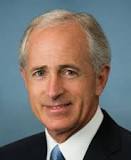
Most significantly Senator Bob Corker (Rep., TN), the Chair of the Senate Committee on Foreign Relations, said on February 24, 2016, that ending the embargo was “not going to happen this year but I think it’s something that could happen as we move into a new president(‘s administration).” [1]
Corker added, “If Cuba were to evolve its behavior and people were able to see results from what’s happening with the executive order changes that are occurring, then I think it’s possible. To me it appears that things are gradually moving along. We have air flights that are now going in, and it seems to me that this is going to be a year where those things take hold.” However, he said, “Obviously there’s still tremendous human rights abuses that are taking place in Cuba.”
In the meantime, Minnesota Representative Tom Emmer is continuing his efforts to garner public support for ending the embargo and hopes this year for a vote on such a bill, presumably the one he has authored. He promotes this effort to Midwestern farmers at agricultural conferences and dispatching his senior staffers to speak at D.C. forums in favor of the bill.[2]
After his second trip to Cuba earlier this month, Emmer went to Miami, Florida and reported that Cuban-Americans in Miami were not unanimously supporting the embargo. “Business owners down here recognize it’s a matter of when and not if [the embargo will end].”
An ally for Emmer’s effort is Mike Fernandez, a Cuban-American, Floridian and Republican health care executive who is disappointed in many Republican politicians who continue to hold out against lifting the embargo. After a 2000 trip to Cuba, Fernandez changed his opinion on the embargo. He came to realize “that the greatest ally that the Cuban government had was the embargo because it was a way of explaining to the people why nothing worked in Cuba. . . . It became a great cover of the great inefficiencies of that government.” As a result, after his trip, Fernandez helped launch a number of small-business incubators in Cuba, cooperating with the Catholic Church and some universities, to train people to start small businesses.
Emmer’s fellow Minnesotan in the Senate, Amy Klobuchar, has authored a bill in that Chamber to end the embargo and continues to press for its adoption. Immediately after President Obama’s State of the Union Address on January 12, 2016, she said in a press release, “Passing my bipartisan bill to lift the embargo would benefit the people of both our countries by boosting U.S. exports and allowing Cubans greater access to American goods. I hope Congress heeds President Obama’s call and moves my critical legislation forward so that we can strengthen our U.S. economy and bring our relationship with Cuba into the 21st century.” [3]
Last month she also told an agricultural periodical that “there’s a lot of momentum [for ending the embargo]. If it happens at the end of this year or next year…my prediction is within the next two years we will lift that trade embargo.” Key for her is the benefits foragriculturefrom further normalized trade with Cuba. [4]
Obama Administration’s Efforts
Previous posts have discussed the efforts of the Administration to encourage Congress to pass legislation to end the embargo and its executive orders to loosen some aspects of the embargo that it asserts are permissible under existing legislation. Now we wait to see whether there will be additional executive orders to adopt further loosening the embargo, especially before the President goes to Cuba on March 21-22.
An additional objection to the embargo being pressed by Cuba is U.S. enforcement of the embargo by imposing fines for violations of the laws underlying that embargo. The Miami Herald reports that as of February 24, 2016, the U.S. Treasury Department hadinitiated eight enforcement actions involving Cuba since the date of the announcement of rapprochement (December 17, 2014) with fines totaling $5,278,901, all involvingtransactions predating that announcement. [5]
The Miami Herald also noted that on February 23, the Cuban government, before the eighth case was announced, said the fines totaled $2.84 billion. The huge difference in the two totals has not been explained.
Conclusion
All U.S. citizens who support the ending of the embargo need to keep pressing their U.S. Senators and Representatives to adopt one of the bills now before the two chambers to do just that.
On July 27 the U.S. Department of State released its 2015 Trafficking in Persons Report, which upgraded Cuba from Tier 3 (a country that did “not fully comply with the [Trafficking in Persons Protection Act] minimum standards and [was] not making significant efforts to do so”) to Tier 2.Watch List (a country that did not fully comply with [that statute’s] minimum standards, but [was] making significant efforts to bring [itself] into compliance with those standards).[1] A prior post reviewed that report’s discussion of Cuba and expressed disagreement with its assertion that Cuban medical personnel’s participation in foreign medical missions was illegal forced labor.
Since then there has been congressional criticism and concern about that report’s upgrading of several countries, including Cuba, as seen in recent congressional hearings.
The most recent hearing was on November 4, before a House of Representatives subcommittee. Most of the hearing was devoted to the report’s upgrading of Malaysia, Uzbekistan and China.[2]
Alex Lee
Cuba’s upgrade was the focus of the testimony at this hearing by Alex Lee, Deputy Assistant Secretary of State in the Bureau of Western Hemisphere Affairs. He testified that the shift in U.S.-Cuban relations did not influence the decision on Cuba. “It was completely separate,” he told the subcommittee.
Mark Lagon
This assessment of Cuba was challenged by the testimony at this hearing of Mark Lagon, the President of Freedom House. He stated that “Freedom House ranks Cuba as ‘Not Free’” and that the Department’s “grounds for an upgrade are deeply questionable.” Indeed, Lagon said, the Department’s report itself undercuts any rationale for an upgrade when it states: (a) “The penal code does not criminalize all forms of human trafficking on paper, not to speak of enforcement.” (b) “The Cuba regime did not even dissemble and claim any ‘efforts to prevent forced labor’ nor ‘any trafficking-specific shelters.” Moreover, according to Lagon, “It is far-fetched to suppose that there is no forced labor in state enterprises or for political prisoners in one of the world’s few remaining Marxist-Leninist states. Also, a burgeoning sex industry – welcoming sex tourism – fuels exploitation, despite steps the Report notes taken by Cuba to address sex trafficking.”
Rep. Chris Smith
The attitude towards Cuba of this subcommittee’s chair, Christopher Smith (Rep., NJ), was revealed in his press release on July 27 (the date of the release of the 2015 TIP report), when he said, “For political reasons alone, President Obama has done a grave disservice to victims of human trafficking in Cuba . . . by upgrading the human trafficking tier rankings in those countries in the annual Trafficking in Persons report.” He added, “It seems quite clear that . . . Cuba’s unchecked march to normalized relations have captured the Obama Administration’s ability to properly access the worst of the worst when it comes to fighting to protect trafficking victims and punish the thugs who mastermind this modern day slavery. It is no coincidence that earlier this year the Obama Administration also removed Cuba from the national list of state sponsors of terrorism. One-by-one this Administration is overriding human rights and national security policies for another agenda.”
The same issue of the objectivity of the TIP Report was considered on September 17 by the U.S. Senate Committee on Foreign Relations at a closed briefing by Anthony Blinken, Deputy Secretary of State, entitled “State Department Processes in Establishing Tier Rankings for the 2015 Trafficking in Persons Report.” As the briefing was closed, we do not know what happened although at another hearing on September 22 Chairman Bob Corker (Rep., TN) mentioned that after this briefing he had made a request to the State Department for three unspecified items of information about the 2015 report.
Susan Coppedge
Related to the issue of the objectivity of the 2015 TIP Report was the September 22 hearing by the Senate Committee on Foreign Relations on the nomination of Susan Coppedge to be the Ambassador-at-Large and Director of the State Department’s Office to Monitor and Combat Trafficking in Persons.
Although her written and oral testimony did not touch on Cuba, she made certain commitments if she were confirmed by the Senate, that bear on the overall issue of the objectivity of such future reports. Those commitments included the following: (a) “to use this position passionately to advocate for the rights of individuals to be free from forced labor or sex trafficking, for victims of human trafficking to have access to comprehensive services, for survivors to be empowered to have a voice in policy, and for an end to the trafficking of human beings;” (b) “to uphold the integrity of the annual Trafficking in Persons (TIP) Report and its tier rankings, including by ensuring the facts from the field are accurately presented in the report;” and (c) “to maintain a close working relationship with Congress and with those federal agencies engaged in the fight against human trafficking.”
Senator Bob Corker
At the hearing all the members in attendance expressed support for the nomination, and afterwards Chairman Corker released a statement reiterating his strong support.[3]
Conclusion
The issue of the objectivity of the 2015 TIP Report regarding Cuba and certain other countries still has not been resolved, and I am confident that we will hear more about this issue from Congress.
================================================
[1] The Tier 2 Watch List also requires that “a) The absolute number of victims of severe forms of trafficking is very significant or is significantly increasing; b) There is a failure to provide evidence of increasing efforts to combat severe forms of trafficking in persons from the previous year; or c) The determination that a country is making significant efforts to bring itself into compliance with minimum standards was based on commitments by the country to take additional future steps over the next year.”
On July 27 the U.S. Department of State released its 2015 Trafficking in Persons Report, which is “the U.S. Government’s principal diplomatic tool to engage foreign governments on human trafficking” and “ the world’s most comprehensive resource of governmental anti-human trafficking efforts.”
In this Report, the Department placed 187 countries into one of the following four tiers based on the extent of their governments’ efforts to comply with the “minimum standards for the elimination of trafficking” found in Section 108 of the Trafficking Victims Protection Act:
“TIER 1 [Thirty-one] countries whose governments fully comply with the Trafficking Victims Protection Act’s (TVPA) minimum standards.
TIER 2 [Eighty-nine] countries whose governments do not fully comply with the TVPA’s minimum standards, but are making significant efforts to bring themselves into compliance with those standards.
TIER 2 WATCH LIST [Forty-four] countries whose governments do not fully comply with the TVPA’s minimum standards, but are making significant efforts to bring themselves into compliance with those standards AND: a) The absolute number of victims of severe forms of trafficking is very significant or is significantly increasing; b) There is a failure to provide evidence of increasing efforts to combat severe forms of trafficking in persons from the previous year; or c) The determination that a country is making significant efforts to bring itself into compliance with minimum standards was based on commitments by the country to take additional future steps over the next year.
TIER 3 [Twenty-three] countries whose governments do not fully comply with the minimum standards and are not making significant efforts to do so.”
At the Department’s release of this Report, Secretary of State John Kerry made comments. In part, he said, “the purpose of this document is not to scold and it’s not to name and shame. It is to enlighten and to energize, and most importantly, to empower people. . . . [We] want to bring to the public’s attention the full nature and scope of a $150 billion illicit trafficking industry. . . . We want to provide evidence and facts that will help people who are already striving to achieve reforms to alleviate suffering and to hold people accountable. We want to provide a strong incentive for governments at every level to do all that they can to prosecute trafficking and to shield at-risk populations.”
Additional comments and responses to journalists’ questions were provided at the launch of this Report by Sarah Sewell, Under Secretary of State for Civilian Security, Democracy and Human Rights. She pointed out that “in this year’s report, some 18 countries moved up in the tier rankings, some 18 countries moved down in the tier rankings” and quoted the above statutory definitions of the different rankings.
The Report’s Assessment of Cuba’s Record on Human Trafficking
In the 2015 Report Cuba was placed in the Tier 2 Watch List, which was an upgrade from the prior year’s report that had Cuba in Tier 3.[1] The new Report states that although “information on the scope of sex trafficking and forced labor in Cuba is limited, [c]hild sex trafficking and child sex tourism occur within Cuba. Cuban authorities report people from ages 13 to 20 are most vulnerable to human trafficking in Cuba. Traffickers also subject Cuban citizens to forced prostitution in South America and the Caribbean. . . . “
As a result, the Report concludes, “The Government of Cuba does not fully comply with the minimum standards for the elimination of trafficking; however, it is making significant efforts to do so. For the second consecutive year, the government reported efforts to address sex trafficking, including the prosecution and conviction of 13 sex traffickers in 2013 and the provision of services to victims in those cases. The Cuban government reported at the beginning of 2015 that the Ministry of Labor and Social Security assumed the lead role in a committee responsible for combating gender and sexual violence, including sex trafficking. The penal code does not criminalize all forms of human trafficking, though the government reported continuing efforts to amend its criminal code, including bringing it into conformity with the requirements of the 2000 UN TIP Protocol, to which it acceded in July 2013. . . .”
In addition, the Report states the Cuban “government did not report any trafficking-specific shelters, but offered services to trafficking victims through centers for women and families harmed by violence. The Federation of Cuban Women, a government affiliated non-governmental organization, provided some outreach and education about human trafficking within the context of violence against women, but did not specifically address it as a crime involving sex trafficking and forced labor or affecting men and boys.”
The Report’s forced labor allegation is focused on Cuba’s “foreign medical missions, which employ more than 51,000 workers in over 67 countries and constitute a significant source of Cuban government income. Some participants in foreign medical missions as well as other sources allege that Cuban officials force or coerce participation in the program; [but] the Cuban government denies these allegations. Some Cubans participating in these work missions have stated the postings are voluntary and well paid compared to jobs within Cuba. There have also been claims that Cuban authorities coerced participants to remain in the program, including by allegedly withholding their passports, restricting their movement, or threatening to revoke their medical licenses or retaliate against their family members in Cuba if participants leave the program. There are also claims about substandard working and living conditions and the existence of ‘minders’ to monitor victims outside of work. Some medical professionals participating in the missions are in possession of their passports when they apply for and obtain special United States visa and immigration benefits, indicating passport retention is not a consistent practice across all work missions.”
Consistent with its denial that its foreign medical missions involve forced labor, the Cuban government “did not recognize forced labor as a problem within Cuba and did not report efforts to prevent forced labor.”
The Report goes on to make the following recommendations for Cuba: (1) “draft and pass a comprehensive anti-trafficking law that prohibits all forms of human trafficking, including an offense of forced labor;” (2) “vigorously investigate and prosecute sex trafficking and forced labor offenses;” (3) “schedule a visit and engage in robust discussions with the UN special rapporteur on trafficking in persons on all forms of human trafficking;” (4) “provide specialized training for managers in state owned or controlled enterprises in identifying and protecting victims of forced labor and implement policies to verify the absence of coercion in such enterprises;” (5) “train those responsible for enforcing the labor code to screen for trafficking indicators and educate workers about trafficking indicators and where to report trafficking-related violations;” (6) “strengthen efforts, in partnership with international organizations, to provide specialized victim identification and referral training for first responders; (7) establish formal policies and procedures to guide officials in the identification of all trafficking victims and their referral to appropriate services;” (8) “expand upon the Ministry of Labor and Social Security’s anti-trafficking responsibilities to include all forms of trafficking and male as well as female victims, and develop an action plan to address sex trafficking and forced labor for males and females;” and (9) “adopt policies that provide trafficking-specific, specialized assistance for male and female trafficking victims, including measures to ensure identified sex and labor trafficking victims are not punished for unlawful acts committed as a direct result of being subjected to sex trafficking or forced labor.”
Under Secretary Sewell, elaborating on this assessment of Cuba in response to a journalist’s question, said, “Cuba was upgraded to the Tier 2 Watch List because of the progress that the government’s made in addressing and prosecuting sex trafficking, as well as the commitments that the Cuban Government has made to become compliant with the minimum standards. As noted in other cases, a Tier 2 Watch List ranking does not mean that a country is free from problems or free from human trafficking.”
According to Sewell, the Cuban “government reported significant efforts to address sex trafficking, including the conviction of sex traffickers, the provision of services to sex trafficking victims, and continued efforts of the ministry of tourism to address sex tourism and the demand for commercial sex. We also recognize the commitments the government has made to reform its laws to become compliant with the UN Palermo Protocol, which is a significant step, as well as the Cuban Government’s willingness to welcome the UN special rapporteur to the island.”
Nevertheless, Sewell continued, the U.S. has “a number of concerns such as the failure to recognize forced labor as a problem or to act to combat it. And so this will be very much a topic in our dialogue with Cuban officials as we work over the next year to try to help Cuba make more concrete progress in the realm of human trafficking.”
Reactions to the Report’s Assessment of Cuba
News media immediately highlighted the Report’s upgrades of Malaysia and Cuba, and a New York Times editorial was most critical of the assessment of Malaysia. Some U.S. Senators and Representatives launched criticism of those assessments in particular. Prominent with respect to Cuba, as expected, was Senator Robert Menendez (Dem., NJ), who said that by upgrading Malaysia and Cuba the administration had “elevated politics over the most basic principles of human rights” and vowed to do all he could “from hearings to legislation to investigations” to challenge the moves.” Representative Chris Smith (Rep., NJ) was upset by the same upgrades as well as relatively lenient ratings for Vietnam and China and stated the report had “careened off into a new direction where the facts regarding each government’s actions in the fight against human trafficking are given almost no weight when put up against the president’s political agenda.” Similar criticism came from Senator Marco Rubio (Rep., FL). [2]
A Reuters investigation concluded that the State Department’s office responsible for the TIP reports was overruled by senior Department officials on 14 of the 18 upgrades, including Malaysia, Cuba, China, India, Uzbekistan and Mexico. The final decision on disputed rankings this year, said Reuters, was made in meetings attended by some of the State Department’s most senior diplomats, including Deputy Secretary of State Tony Blinken, Under Secretary of State for Political Affairs Wendy Sherman and Kerry’s Chief of Staff, Jonathan Finer.[3]
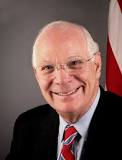
On July 29 the Chairman (Bob Corker (Rep., TN)) and the Ranking Member (Ben Cardin (Dem., MD)) of the Senate Foreign Relations Committee in a joint letter asked Secretary of State John Kerry for a briefing on the Report in order “to better understand” the basis for its upgrade of several countries, including Malaysia and Cuba. They added, “We recognize that U.S. policy and engagement on trafficking does not exist in a vacuum, and we appreciate the many varied and nuanced trade-offs that are necessary between competing policy issues. We also believe that it is critical that the impartial reliability of the TIP Report be safeguarded and maintained if it is to have utility on this critical issue in the future.” [4]
Senate Foreign Relations Committee Hearing
Under Secretary Sarah Sewell
On August 6 that Committee held a hearing on this subject with Under Secretary Sewell as its sole witness.[5]
She testified that in “most cases, this assessment process [of different countries’ record on human trafficking] clearly places governments into one of the tiers; in other cases, further discussion among senior Department officials is required to clarify information and assess the totality of government efforts. This ultimately leads to the Secretary of State’s designation of Tier rankings for each country and approval of the TIP Report. Tier rankings do not assess the severity of human trafficking in a given country, but rather that government’s efforts in addressing human trafficking problems over the current reporting period compared to its own efforts in the prior year. Determinations about the direction and quality of that progress in a given country are guided by complex criteria outlined in the TVPA and described on pages 45 through 50 of the TIP Report.”[6]
More specifically for the six countries, including Cuba, that moved up to Tier 2 Watch List this year, Sewell testified, “the Department closely evaluated the efforts those governments had made during the reporting period as well as the commitments they made for next year. Our posts are working with host governments to encourage them to implement the recommendations outlined in this year’s Report, and the TIP Office is finalizing assistance programming strategy to help make those recommendations a reality. I am receiving reports from the field on the frank and focused dialogues Embassy personnel are having with host government officials on how to overcome the challenges they face to better combat this crime and protect their citizens.”
With only Chairman Corker, Ranking Member Cardin and Senator Menendez in attendance, most of the questions focused on the upgrade of Malaysia. Corker, for example, said, “The administration’s policies toward those countries trumped any real regard for humans being trafficked.” The Department, he continued, “threw the trafficking phase under the bus to ensure that . . . [the Administration was] successful with [the Trans-Pacific Partnership (TPP) that included Malaysia].” [7] Menendez added a few comments and questions about the Cuba upgrade.
Sewell declined to answer questions about internal Department discussions about these upgrades and instead repeatedly emphasized that the statutory framework for tier rankings created a complex set of factors to be analyzed and that a Tier 2 Watch List ranking did not indicate a country had a great record on trafficking.[8]
At the conclusion of the hearing, Chair Corker said it had been the “most heartless, lacking of substance” presentation and that he and the two other Senators in attendance had the strong impression that inappropriate political considerations had influenced some or all of the tier upgrades. As a result, the Committee would be asking for the Department to produce records about its internal consideration of the tier rankings. Senator Cardin also said he was interested in exploring whether Congress should amend the relevant statutes in light of what a further hearing might disclose.
After the hearing, a State Department spokesman said that the Department was waiting for the committee to submit a formal request, “but speaking generally, of course we try to be responsive to Congress.”
Conclusion
I agree that the annual T.I.P. reports are important tools in combatting trafficking in persons and that these reports should be free of political influence. On the other hand, I believe that the relevant statutes appropriately create a complex set of factors that require analysis in reaching conclusions about placing countries in the different tiers and that it is appropriate for senior Department officials to be involved in that process.
With respect to Cuba, for at least the following reasons I disagree with the Report’s assertion that Cuban medical personnel’s participation in foreign medical missions is illegal forced labor:
First, the Report admits that “information on the scope of . . . forced labor in Cuba is limited.”
Second, the Report admits that there is conflicting information and allegations on the foreign medical mission work. Coercion is alleged by “some participants” and “other sources.” On the other hand, the Cuban government denies these allegations, and other participants “have stated the postings are voluntary and well paid compared to jobs within Cuba.” The Report also concedes there is conflicting information on whether other means, including withholding Cuban passports, are used to coerce or force participants to remain in the program.
Third, there apparently has not been any fair adjudicative process to determine which of these conflicting sets of information is valid.
Fourth, the accusation of forced labor for such participants has been rejected in a study by Indiana State University’s Emeritus Professor of International Politics and Latin America, Dr. H. Michael Erisman. He says, although there may be “some cases where . . . [Cuban medical professionals] are pressured into accepting overseas assignments, . . . most evidence indicates that the overwhelming majority are motivated by philosophical and/or pragmatic considerations. In the first instance, one needs to understand that the Cuban medical profession . . . is permeated by norms which stress self-sacrifice and service to the community, both at home and abroad. At the core of this ethos is the principle, which is firmly entrenched in the curriculum of the island’s medical schools and reinforced throughout one’s career, that health care should not be seen as a business driven by a profit motive, but rather as a human right that medical personnel have an unconditional duty to protect. Such convictions often underlie participation in the medical aid brigades. There are, however, also some pragmatic factors that can come into play. Overseas service could . . . help to further one’s professional aspirations and for some assignments the total remuneration involved is more generous than what is available back in Cuba. . . . [T]hese are the considerations which apply to the vast majority of people” in such programs, not involuntary servitude.[9]
Fifth, the Report does not cite to the relevant legal definition of “forced labor” to assess this claim. Most pertinent is Article 2(2) of the Forced Labour Convention, 1930, which states, in part, ”the term forced or compulsory labour shall notinclude . . . any work or service which forms part of the normal civic obligations of the citizens of a fully self-governing country.” (Emphasis added.) [10] Cuba is a “fully self-governing country” and the participants in the foreign medical missions are Cuban “citizens,” and as Professor Erisman states, such participation is regarded as “part of the normal civic obligations” of such citizens with the appropriate medical qualifications.
Sixth, relevant to this issue, but not mentioned in the Report, is the fact that medical education in Cuba (at the Latin American School of Medicine) is free. As a result requiring medical graduates to pay the country back by such participation seems entirely appropriate and may indeed be a contractual or quasi-contractual obligation. Indeed, as Professor Erisman reports, Cuban medical professionals, especially doctors, may apply to leave Cuba after they have obtained their free medical education and thereafter provided three to five years of service in the country.
We now await the Committee’s formal request for Department documents, the production of such documents and additional hearings on the subject. In the meantime, as always, I welcome comments of correction or amplification.
[7] Secretary of State Kerry, who was in Malaysia on the day of the hearing, categorically denied that politics had played any role in the ranking of Malaysia. “I personally signed off on it. And I had zero conversation with anybody in the administration about the Trans-Pacific Partnership relative to this decision — zero. The reason I made this decision was based on the recommendation of my team, because Malaysia has passed additional legislation in 2014, they’ve consulted with civil society, they drafted amendments to Malaysia’s anti-trafficking law in order to allow the country’s flawed victim protection regime to change.” (Assoc. Press, Kerry: Malaysia Trafficking Upgrade Not Due to Trade Talks, N.Y. Times (Aug. 6, 2015); Reuters, Kerry Says ‘Zero Communication’ on Trade Pact and Malaysian Trafficking Record, N.Y. Times (Aug. 6, 2015).
[8] The text of the U.S. statutes regarding trafficking in persons is set forth on a State Department web page and the Report contains a summary of “forced labor” without any mention of the exceptions to the definition discussed below.
The Committee Chair, Bob Corker (Rep., TN) opened by stating that the hearing would focus “on the strategy behind the President’s significant shift in U.S. policy towards Cuba.” Even though this shift “has been welcomed in Latin America and the Caribbean . . . significant differences of opinion exist in the [U.S.] over the extent to which this change in policy will advance U.S. interests and improve circumstances for the Cuban people.”
Therefore, according to Corker, the strategic issue was “how our nation can best engage strategically with the region and beyond to help Cuba rejoin the mainstream of the Americas and offer its citizens the same rights and freedoms enjoyed by citizens of other countries in the region.”
The Ranking Member of the Committee, Senator Ben Cardin (Dem., MD), stated, “The President’s action [on December 17th] brought with it a new opportunity to forge a bilateral relationship that will strengthen our efforts to advance and defend U.S. national interests, and will allow our government and our citizens to expand support for the Cuban people. Today’s hearing provides an important opportunity to review the advances achieved under the Administration’s new Cuba policy and to understand the strategy for moving forward. Without a doubt, this is a complicated process and it will take time to achieve the progress we want to see.”
“[W]e all stand together in our aspirations to see the Cuban people have the opportunity to build a society where human rights and fundamental freedoms are respected, where democratic values and political pluralism are tolerated, and where individuals can work unobstructed to improve their living conditions. We also share concerns about critical issues, such as the Cuban government’s ongoing abuse of human rights and the presence of American fugitives in Cuba, especially those wanted for the murder of U.S. law enforcement officers.”
“But, the central question is: how can we best advance these aspirations while also addressing these concerns? It goes without saying that our previous policy did not achieve the progress that we wanted to see, and so a new approach is needed.”
“President Obama has laid out a new path based on the belief that principled engagement will bring more results. I think that this is the right path for the following reasons:
“First, for far too long, the Cuban government has used U.S. policy as an excuse to justify its shortcomings and the hardships the Cuban people face. The Cuban government also has exploited U.S. policy for diplomatic gains, focusing international debate about what the U.S. should do, rather than about what Cuba needs to do to better provide for its citizens.”
“Second, despite differences we may have with a government, our foreign policy should always endeavor to support that country’s people to the greatest degree possible. Our disagreements with the Cuban government are well known and many. But, over time, we have allowed those disagreements to get in the way of developing a strategy that utilizes all of our resources to empower the people of Cuba.”
“I have no doubt that the dynamism of American society will make a positive contribution to empowering the Cuban people and provide them with the information they need to build the future of their country.”
“Third, the Administration’s new Cuba policy will provide the U.S., and especially our diplomats, with new tools to engage directly with the Cuban government to have principled and frank discussions about the issues we disagree about and how we might work together better on issues of common interest.”
Roberta Jacobson, Assistant Secretary of State for Western Hemisphere Affairs, testified, “[W]e have begun to see the Administration’s new approach to Cuba providing space for other nations in the hemisphere and around the world to focus on promoting respect for human rights and fundamental freedoms in Cuba and elsewhere in the region. This was illustrated at the Summit of the Americas in Panama last April. Engagement by the President and the Secretary at the Summit re-invigorated our momentum on a variety of issues.”
“Our new approach has drawn greater attention to the potential for greater political and economic freedom for the Cuban people and the gap between Cuba and other countries in the Hemisphere. More Americans are travelling to Cuba, getting past the rhetoric, meeting Cubans, and building shared understanding between our people. We have seen practical cooperation in our official dialogues with Cuba on issues in our national interest like maritime and aviation safety, telecommunications, and environmental cooperation.
“Our future discussions on law enforcement cooperation, coupled with the ongoing migration talks, will expand the avenues available to seek the return of American fugitives from justice as well as the return of Cubans residing illegally in the United States. The same is true for future talks on human rights and settling American claims for expropriated properties. Most importantly, the President’s new approach makes clear that the United States can no longer be blamed as an obstacle to progress on things like access to information and connecting Cubans to the world.”
Nevertheless, “significant differences remain between our two governments. We continue to raise our concerns regarding democracy, human rights, and freedom of expression. And we will seek to engage with all Cubans to gain their perspectives on the best way forward for the country.”
“Our policy towards Cuba is based on a clear-eyed strategy that empowers the Cuban people to determine their own future by creating new economic opportunities and increasing their contact with the outside world. That is why we made it easier for Cuban-Americans to travel and send remittances to their families in Cuba, and opened new pathways for academic, religious, and people-to-people exchanges. These changes create powerful new connections between our two countries and help the nascent private sector in Cuba, which is already an agent of positive change on the island. The steps we have implemented build on this foundation by increasing authorized travel, authorized commerce, and the flow of information to, from, and within Cuba.”
“Our new approach emphasizes targeted forms of commerce that offer economic opportunity to independent Cuban entrepreneurs or, like expanded communications, benefit all Cubans. Comprehensive changes in our economic relationship will require Congressional action to lift the embargo. The President has urged Congress to begin that effort. In the meantime, we are using available policy tools to promote a prosperous, democratic, and stable Cuba.”
“In a short period of time, we have already started to see U.S. enterprises seizing the new opportunities. The regulatory changes we announced are intended to increase the financial and material resources available to the Cuban people and the emerging Cuban private sector. They also enable U.S. companies to offer expanded telecommunications and internet services in ways that could help Cuban civil society members advance their aspirations and collectively become more prosperous.”
“Regarding the Administration’s decision to rescind Cuba’s designation as a state sponsor of terrorism, as President Obama said, ‘throughout this process, our emphasis has been on the facts.’ . . . We will continue to have differences with the Cuban government, but our concerns over a wide range of Cuba’s policies and actions do not relate to any of the criteria relevant to that designation.”
“While progress has been made in our efforts to reestablish diplomatic relations, there is more to do to ensure a future U.S. Embassy will be able to function more like other diplomatic missions elsewhere in the world and foreign diplomatic missions in Cuba. Even today, under challenging circumstances, our diplomats do their very best to represent the interests and values of the United States, just as we do in hundreds of places around the world. Our engagement with the broadest range of Cubans will expand once we establish diplomatic relations with Cuba.”
State Department Counselor Thomas A. Shannon, Jr. testified, “My purpose today is to address the regional context in which . . . [the U.S. Cuba] policy is unfolding, and to lay out some of the strategic dimensions of our diplomacy.”
“The decision to engage with Cuba and seek normalization of our bilateral relationship attempts to create a new terrain on which to pursue a future that meets our interests and corresponds to our values. Our commitment to democracy and human rights, and our desire and hope that the Cuban people will know the benefits of liberty and become the sovereigns of their own destiny, is no less for our action.”
“The President has been clear about the commitment in our Cuba policy to our enduring and fundamental principles of self-government and individual liberty. However, he has also been clear about our inability to effect significant change in Cuba acting alone across so many decades. Instead, he determined that our efforts would be more effective if we could position Cuba squarely within an inter-American system that recognizes democracy as a right that belongs to all the peoples of our Hemisphere, believes that democracy is essential to the political, economic, and social development of our peoples, and has the juridical instruments, treaties, and agreements to give shape, form, and weight to these commitments. It was our determination that this kind of environment would be the most propitious to support the only legitimate agent of peaceful and enduring political change in Cuba: the Cuban people.”
“The Americas, and specifically Latin America, has anticipated many of the events that are shaping our world. It is a region that has moved largely from authoritarian to democratic government, from closed to open economies, from exclusive to inclusive societies, from autarkical development to regional integration, and from isolation to globalization.”
“Latin America is the first developing region of the world to commit itself explicitly to democratic governance through the Inter-American Democratic Charter, the first to build a democratic model of development, and the first to establish regional structures to promote and protect human rights.”
“While creating a broad base of shared political values, Latin America has also constructed shared economic understandings and a commitment by many of the most successful countries in the Hemisphere to market economies and free trade. In the process, it has built sub-regional integration and political dialogue through organizations like the Common Market of the South, the Andean Community, the Union of South American Nations, and the Central American Integration System, all the while preserving larger hemispheric institutions, such as the Organization of American States and the Summit of the Americas process, that connect Latin America to the Caribbean and North America.”
“As Latin America advances into the 21st century, it is undergoing a second generation of change. Politically, it has consolidated democratic government and is strengthening democratic states and societies. This has opened up political institutions to new voices and actors, deepening the representativeness of many Latin American governments and challenging traditional elites and interests. In some countries, weak democratic institutions have not been able to contain the social energy unlocked by democratization, leading to populism and political polarization as groups struggle for control of the state. As troubling as this phenomenon can be, it does not define the democratization of the region but instead presents a challenge for the region to show how it can address such incidents through the organizations and institutional mechanisms it has created.”
“Economically, Latin America is building innovative integration mechanisms such as the Pacific Alliance, and reaching into Asia and North America to find new and important economic partners. We have FTAs with 12 countries in the Hemisphere, and the continued globalization of Latin America is driven not only by the regions abundant commodities, especially food and energy, but also by growing middle classes that have created attractive markets for manufactured goods and services.”
“The profound changes unleashed in Latin America show clearly that democracy and markets can deliver economic development and address longstanding social inequities such as poverty, inequality, and social exclusion. In effect, Latin America has used democracy and markets to launch peaceful social revolutions that are transforming many countries in important and long-lasting ways. Our ability to promote profound and dramatic change in Latin America is an example of what the United States can accomplish through diplomacy and engagement.”
“If we accomplished such a profound transformation in our Hemisphere through engagement, why not try the same approach with Cuba? And better yet, why not try it in partnership with countries and institutions that are now prepared to work with us because of the President’s new policy?”
“Cuba today finds itself part of a dynamic, vibrant region where transformative change has been the watchword for several decades. And it finds itself in a region where the momentum of that change will continue to reshape political, economic, and social landscapes. In such an environment, the Cuban people will find many models and partners from which to learn and choose. We should be one of those models and partners.”
Questioning Assistant Secretary Jacobson and Counselor Shannon
Of the 11 Committee members in attendance, six made comments and asked questions supportive of U.S.-Cuba reconciliation: Ben Cardin (Dem., MD), Barbara Boxer (Dem., CA), Tom Udall (Dem., NM), Tim Kaine (Dem., VA), Edward Markey (Dem., MA) and Jeff Flake (Rep., AZ).
With Chairman Corker being judiciously noncommittal in his comments, the other four in attendance were hostile to the reconciliation: Bob Menendez (Dem., NJ), Marco Rubio (Rep., FL), Ron Johnson (Rep., WI) and David Perdue (Rep., GA).
In response to Senator Corker’s opening question about whether to date the U.S. had obtained any changes in Cuba policies, Jacobson implicitly said none by emphasizing that the U.S. actions to increase the ability of U.S. nationals to travel to Cuba and to send remittances to Cubans were assisting the latters’ ability to form businesses and over time to be agents for change. The same was true, she said, of new U.S. policies to encourage U.S. businesses to export telecommunications equipment to the island. Shannon added that the new U.S. policies helped the U.S. with other countries in Latin America, especially within the Organization of the American States (OAS) and the Summit of the Americas.
Jacobson also mentioned the OAS and the United Nations as well as continued U.S. annual reports about human rights as means the U.S. would use to assess whether Cuba makes improvements in human rights. She also reiterated her point about U.S. travel and investment in Cuba as instruments for aiding such improvements, all in response to a question from Senator Rubio.
Rubio also pressed Jacobson to concede that the U.S. and Cuba had different notions of human rights. She did so with respect to free speech, peaceful assembly and elections, but she did not point out the U.S.-Cuba agreement on many theoretical issues of human rights as discussed in a prior post.
Another major Rubio argument was increased American travel to Cuba merely benefited the Cuban government and military, which owned, in whole or in part, hotels and car rental companies. The amount of such travel to Cuban bed and breakfasts in private homes was insignificant and, in any event, such private establishments had to pay big fees to the government for such businesses. Moreover, Rubio continued, many of these hotels and other properties had been owned by Americans and others and stolen by the Cuban government. Therefore, Rubio said, the U.S. should not be promoting such increased travel.
Senator Boxer responded to this argument by pointing out that the U.S. permits travel to Viet Nam, China and Russia where hotels and other businesses are owned by the state. She also pointed out that direct interactions between U.S. and Cuban citizens should encourage the latter to want more rights. In addition, Boxer said, the rapprochement was improving cooperation regarding Cuba for the U.S. from Europe and others in this Hemisphere. An example was Panama’s reaction to Cuban efforts to suppress free speech at the recent Summit of the Americas in that country.
However, I was surprised that no one responded to Rubio’s argument about hotels that had been stolen by the Cuban government. Indeed, there are substantial damage claims against the Cuban government for its uncompensated expropriation of property, and this is one of the claims the U.S. now is asserting against Cuba, and a prior post argued for submitting these and other damage claims by both countries to an international arbitration.
Senator Johnson focused on provisions of the Libertad Act (a/k/a the Helms-Burton Act) imposing preconditions on U.S. relaxing sanctions against Cuba, presumably as a predicate for an argument that President Obama’s easing of certain sanctions was unauthorized and, therefore, illegal. Jacobson pointed out, however, that other laws had exceptions to sanctions and provided authority to the President to do what he has done. Moreover, she said, the Administration had asked Congress to enact legislation repealing the U.S. embargo of the island, including the Libertad Act.
Senator Menendez, a Cuban-American and a vigorous opponent of the reconciliation, barely concealed his anger over the change in U.S. policies. Since December 17th, he argued, there has been no improvement in Cuban human rights, and in fact there has been a deterioration on this subject.
Senator Perdue reiterated Menendez’ argument about human rights and asserted that Cuba was still a state supporter of terrorism. It allegedly was helping Islamist terrorists, had shipped arms to North Korea that were intercepted in Panama and had another ship with explosives that on February 28, 2015, was intercepted by Colombia. Counselor Shannon pointed out that this Colombian government action was an example of the increased cooperation the U.S. now is obtaining from others in Latin America as a result of the new U.S. policies about Cuba.
Senator Kaine stated that there are roughly 600 bilateral relations in the Western Hemisphere and that the only one without normal diplomatic relations is U.S.-Cuba. In addition, there are no inter-state wars in the Hemisphere and the only civil war is in Colombia, which is the subject of peace negotiations now being held in, and aided by, Cuba. Counselor Shannon concurred, saying this was a remarkable achievement for the Hemisphere going along with its economic and democratic improvements.
Conclusion
This hearing, in my opinion, did not really provide any new information about the issues or the positions of the participants, which probably why it was not covered in U.S. news media.[2]
The hearing and the lack of news coverage underscored the importance of U.S. citizens who support the reconciliation efforts to convey their opinions to their Senators and Representatives and of the formation and actions of groups like the U.S. Agricultural Coalition for Cuba and Engage Cuba Coalition.
[1] This post is based upon a video of the hearing and on the embedded citations to the opening statements of Senators Corker and Cardin, the testimony of Assistant Secretary Jacobson and Counselor Shannon and to some of the comments by Senators Rubio, Menendez and Perdue.
May 29th is the date for the official U.S. rescission of its designation of Cuba as a “State Sponsor of Terrorism.” This was covered in a prior post.
In anticipation of that rescission, Cuba’s President, Raúl Castro on May 12th said to journalists, “This sort of unjust accusation [sponsor of terrorism] is about to be lifted, and we’ll be able to name ambassadors.” [1]
Later that same day the U.S. State Department said, “an exchange of ambassadors would be a logical step . . . only once we re-establish diplomatic relations. We do not have a fixed time for that. We are still in negotiations . . . with Cuban authorities about re-establishing diplomatic relations.”
The latter statement confirms there are still unresolved issues for such normalization.
The main one appears to be whether or not U.S. diplomats in Cuba would be free to travel wherever and whenever they wanted and Cuba’s complaints that U.S. diplomats having meetings with Cuban dissidents amounted to meddling in Cuba’s internal affairs in violation of international treaties on diplomatic relations.
Indeed, yesterday President Castro stated he had told President Obama that such diplomatic encounters remained Cuba’s chief concern about establishing normal relations, particularly programs at the American Interests Section in Havana to assist independent journalists. In Castro’s own words (English translation), “I told . . . President Obama . . . that . . . I was most worried about . . . they continue to do illegal things. For example, graduating independent journalists. [The U.S. gives Cuban journalists] . . . I don’t know how many classes, on screen, in teleconferences from the United States. I don’t know if they give them a diploma and of course they give them their corresponding monthly payment.”
The U.S. Interests Section does offer free classes in journalism, English and information technology, but students are not paid by the U.S.
Another unresolved issue for establishment of normal diplomatic relations is the U.S. insistence that it must be allowed to bring secure shipping containers into the country, in accordance with global diplomatic protocols.
Castro in his remarks to journalists yesterday also mentioned that the U.S. embargo or blockade “must be removed” [2] and the Guantanamo Naval Base, which was leased after the U.S. had taken over Cuba in the early 20th century, “should be returned to Cuba.” [3] Neither of these will happen immediately, and the latter may never happen.
Cuban negotiators are due to arrive in Washington as soon as this week for a fourth round of talks. Presumably at least some of these issues will be at the top of the agenda.
Conclusion
Jeffrey DeLaurentis
Once the U.S. and Cuba resolve these issues, each country first would change the names on their respective buildings from “interests section” to “embassy.” And the U.S. presumably would change the title of Jeffrey DeLaurentis, the current “Head of Mission” of the U.S. Interests Section in Havana to “Charge d’Affaires” or “Acting Ambassador.” (He already has the title of “Ambassador” from the previous Senate confirmation of his appointment as Alternate Representative for Special Political Affairs at the U.S. Mission to the United Nations.)
President Obama at some point would appoint someone to be the U.S. Ambassador to Cuba, but under Article II, Section 2(2) of the U.S. Constitution, the U.S. Senate, by a simple majority vote, has to give its “advice and consent” to such an appointment. Such a vote would be taken after hearings and consideration of the appointment by the U.S. Senate Foreign Relations Committee, currently chaired by Senator Bob Corker (Rep., TN). Two members of the Committee, both Cuban-Americans, Marco Rubio (Rep., FL) and Bob Menendez (Dem., NJ), are ardent foes of U.S.-Cuba reconciliation and are potential problems for such confirmation. And Rubio is the Chair of the Subcommittee on Western Hemisphere, Transnational Crime, Civilian Security, Democracy, Human Rights, and Global Women’s Issues, which might consider the nomination before the full Committee does so.
[2] Prior posts discussed bills to end the embargo in the U.S. House of Representatives and the U.S. Senate that were introduced in this Session of Congress. According to the Library of Congress, as of May 12th there had been no committee action on any of these bills.
[3] An earlier post reviewed issues relating to Guantanamo Bay while another post looked at whether Cuba had a legal right to terminate its lease of the Guantanamo territory..